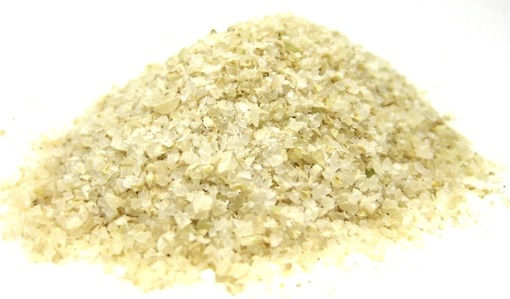
GLUTEN
Gluten is a family of storage proteins normally known as prolamins that are naturally found in certain cereal grains, such as wheat, barley, and rye. Many different prolamins fall under the gluten umbrella, but they can be further classified based on the specific grains in which they’re found. For instance, glutenins and gliadins are the prolamins in wheat, secalins are in the rye and hordeins are in barley. Gluten offers a variety of functional culinary benefits and is responsible for the soft, chewy texture that is characteristic of many gluten-containing, grain-based foods
When heated, gluten proteins form an elastic network that can stretch and trap gas, allowing for optimal leavening or rising and maintenance of moisture in loaves of bread, pasta, and other similar products. Because of these unique physical properties, gluten is also frequently used as an additive to improve texture and promote moisture retention in a variety of processed foods.
Gluten may be found in a variety of whole and processed foods, including:
-
Grains: whole wheat, wheat bran, barley, rye, triticale, spelt, Kamut, couscous, farro, semolina, bulgur, farina, einkorn, durum, wheat germ, cracked wheat, matzo, mir (a cross between wheat and rye)
-
Processed grain-based products: crackers, bread, breadcrumbs, pasta, seitan, wheat-containing soba noodles, some veggie burgers, cookies, pastries
-
Other foods and beverages: barley malt, malt vinegar, soy sauce, certain salad dressings, sauces or gravies thickened with flour, bouillon, and some broths, certain spice blends, flavored chips, beer, certain kinds of wine